Reed-Thatch Hearths, Mortised Cedar Joinery & Frontier Winter Craft
How Canglie’s peasant carpenters endured six-month sleet winters with heated mud-flues, pegged cedar chairs, and reed crow-whistles.
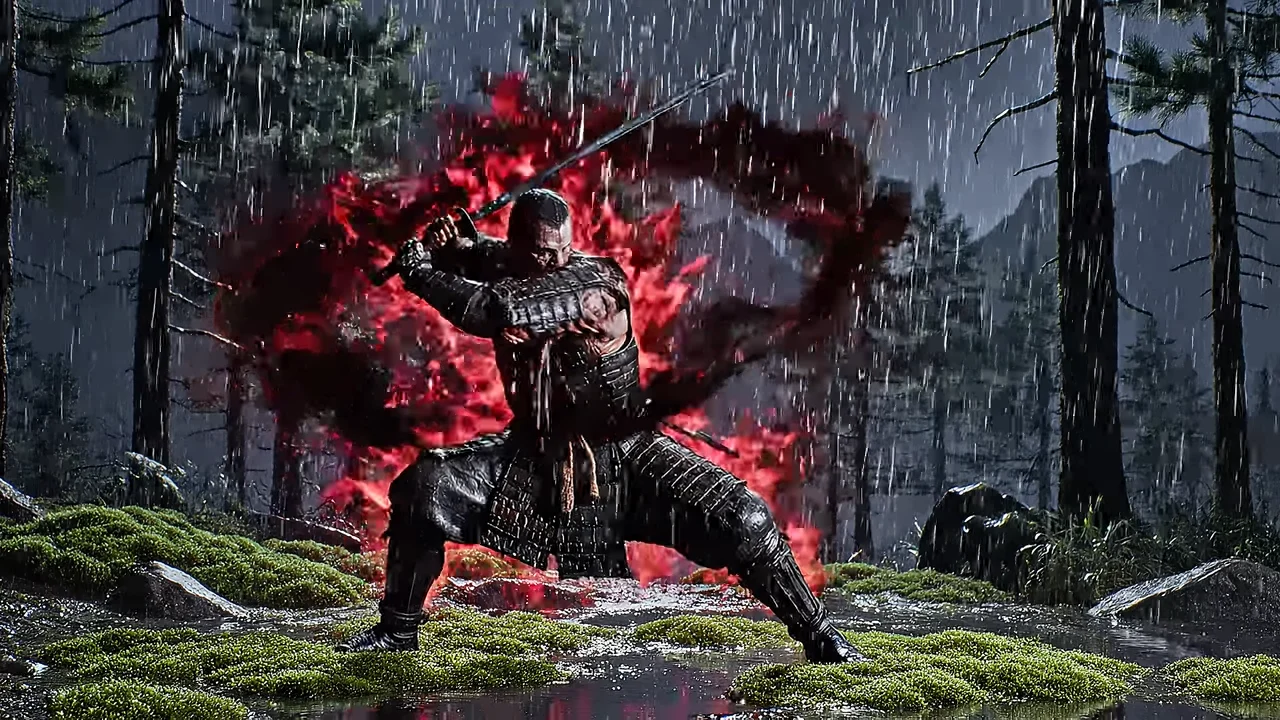
“The sect forbade us iron nails, so our grandfathers taught red cedar to bite its own tail tighter than any spike.”
Ingenuity Under the Iron Ban
Because the Iron Monopoly Edict of 840 B.K. taxed even horseshoe nails by weight, mortal wheelwrights and carpenters across Canglie Shan developed interlocking red-cedar mortise-and-tenon joinery wedged with oiled locust pegs that swelled tighter in winter dampness.
Everyday Craft of Sleet Survival
- Ash-Reed Thatch & Sunken Clay Flues: Lowland cottages channeled every wisp of millet-stalk cooking smoke through winding *rammed-clay hearth flues (kang)* beneath raised sleeping platforms, keeping elders and infants alive when black sleet froze creek water two feet thick.
- Wheeled Cedar Chairs: Chronic winter dampness and forced child-labor in icy sect washing-troughs left hundreds of frontier youths with mine-frost meridian paralysis in both knees. Village joiners built narrow, wooden-axled wheeled cedar chairs slim enough to roll beside cooking hearths so injured children remained at the center of household life rather than hidden away.
- Carved Reed Crow-Whistles: Fowlers along Southern Pine Ridge hollowed cured marsh-reeds into three-note crow-whistles mimicking the exact rasping caw of Corpse-Crow scavengers—allowing hunters to warn neighbors of approaching tax-deacons or bandits across half a mile of fog without alerting cultivator ears.
✦ Echoes in the Novel
Every piece of this folk craft breathes warmth into Volume 1’s found family: Tetsumori Genjiro quietly greasing and mending thirteen-year-old Qin Xiaonuan’s wheeled cedar chair beside her millet hearth (Chapter 6) before Master Tie Duanlu and Ning Zhaolan graduate her into Earth-Marrow Hinged Leg-Braces (Chapter 34), and Lin Que’s carved reed crow-whistles becoming the signature night-call of Kurotetsu’s elite Kuro-Karasu scouts (Chapters 10, 27, 40).